

What a Crash Cart Taught Me About AI
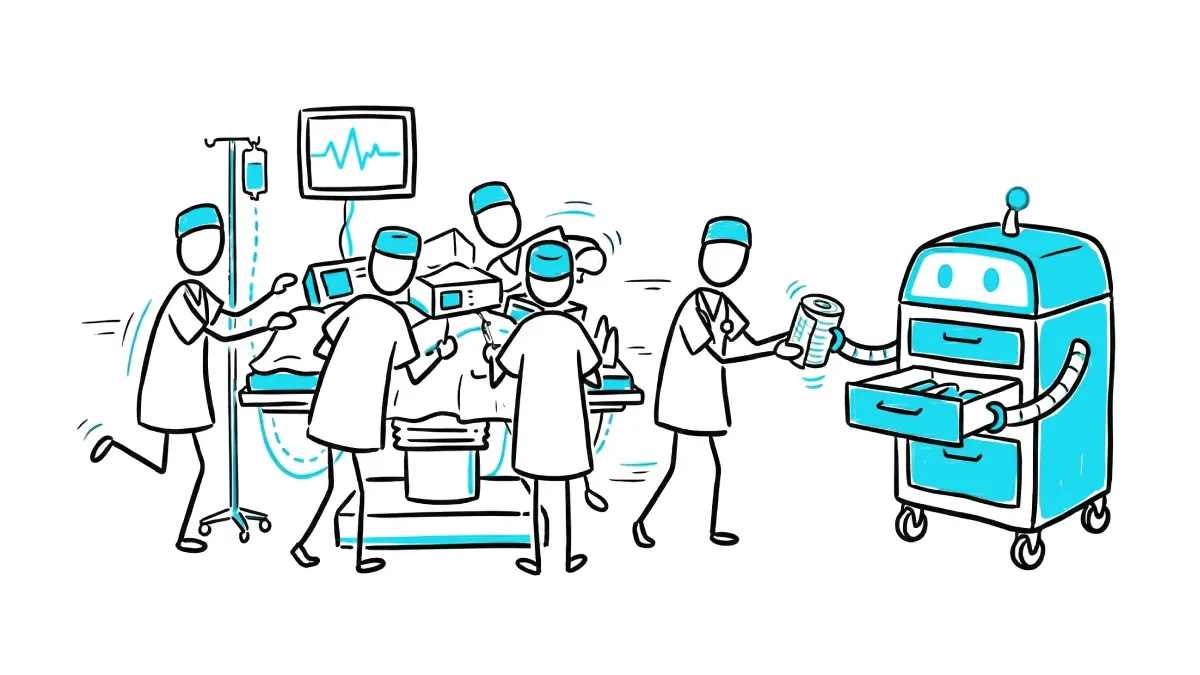
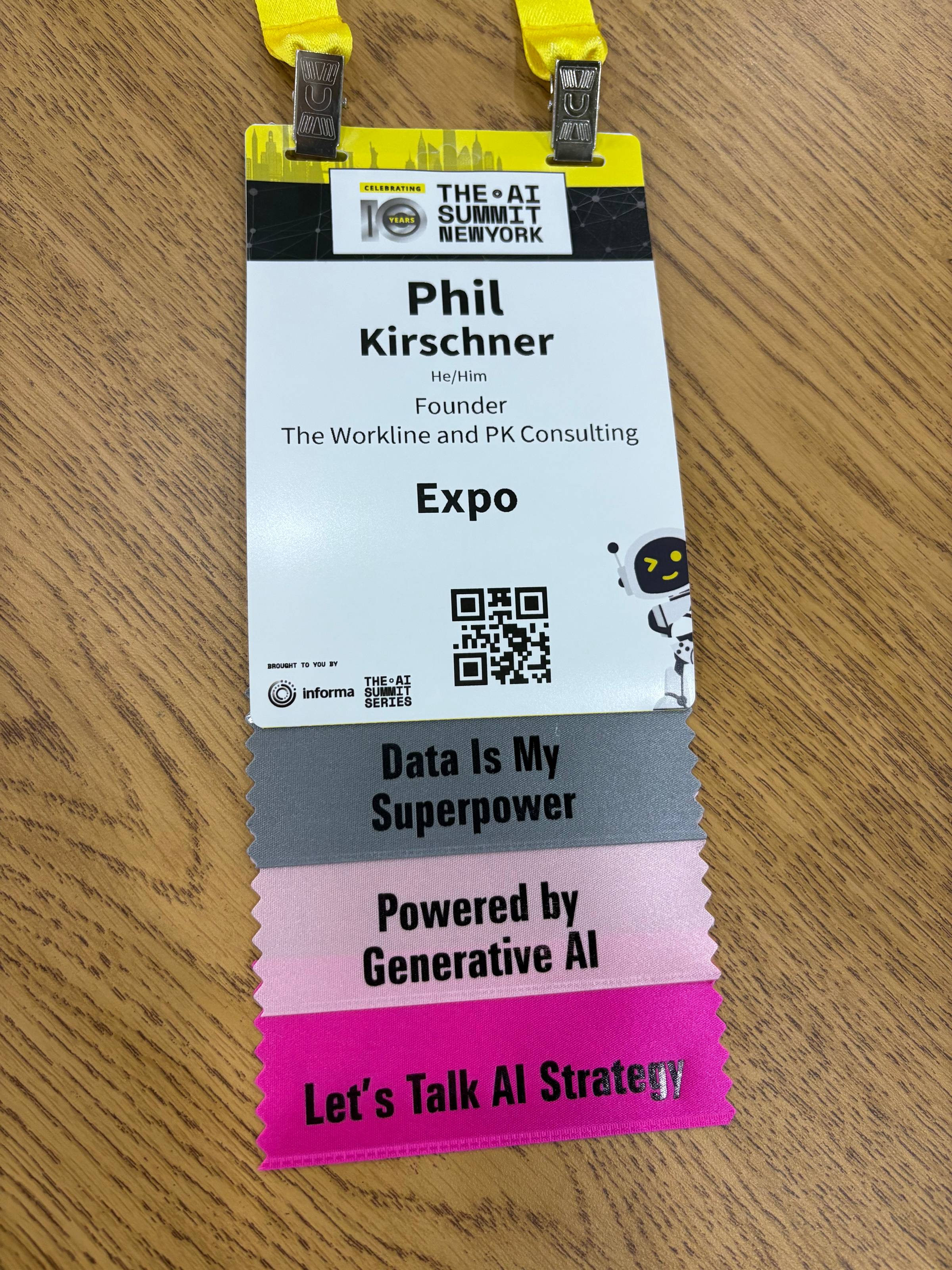
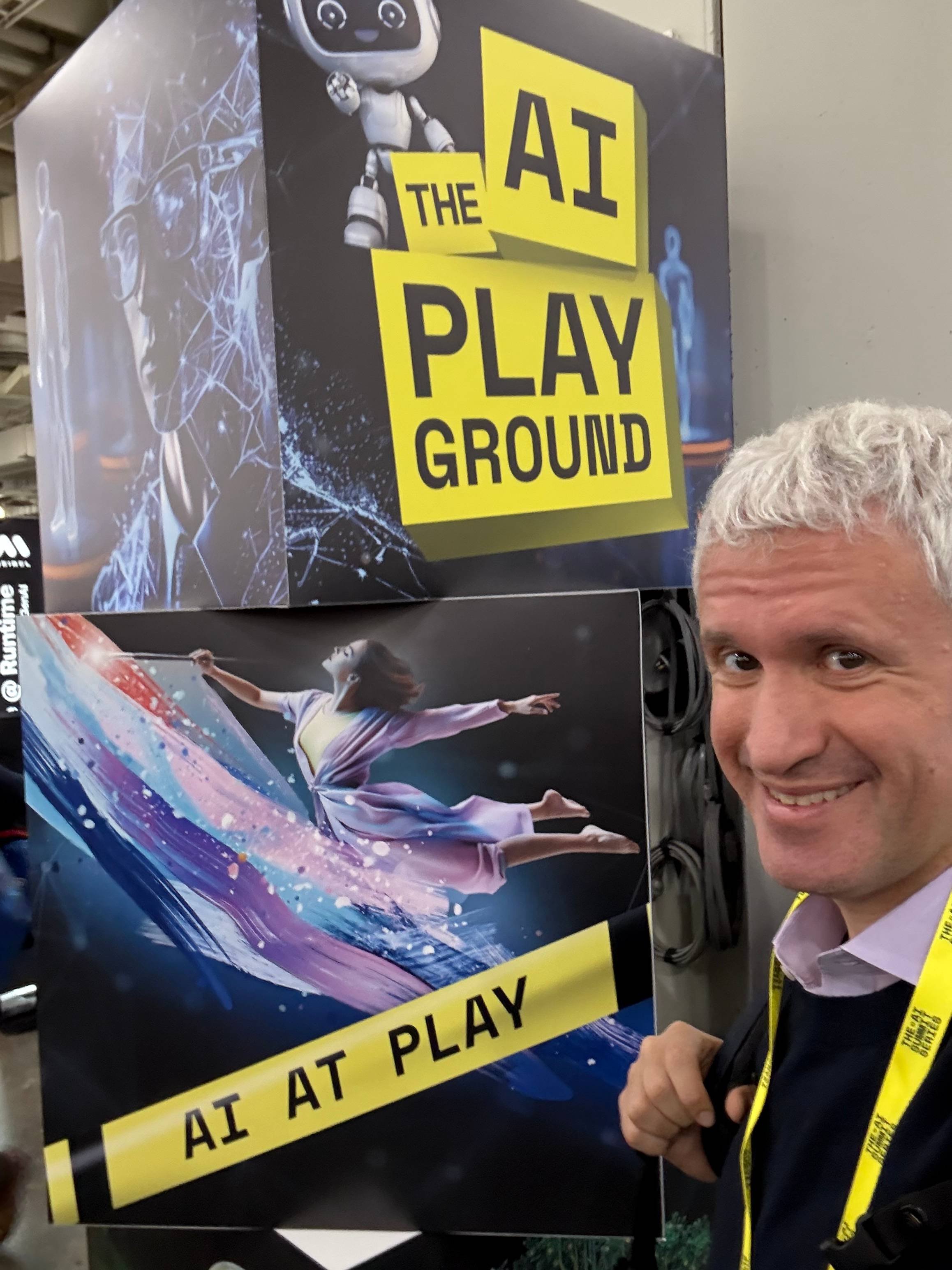
I encourage readers to attend conferences outside their primary domain, and took my own advice (again) at The AI Summit in NYC this month.
Despite having a CS degree, I don’t call myself “an AI person,” and I bet most of my readers don't attend AI conferences. But if AI is transforming how work happens, all leaders must understand what's being built…even if that means sitting through talks about cybersecurity or patents.
We learn unexpected things in unexpected places. For me, that place was a side-stage demo about what happens when people “crash” in a hospital.
Ironically, a demo about emergencies taught a lesson about slowing down.
Lead Across the Lines of Modern Work with Phil Kirschner
Over 22,000 professionals follow my insights on LinkedIn.
Join them and get my best advice straight to your inbox.
The Unexpected Teacher
The demo seemed straightforward: an AI-enabled medical cart helps doctors find supplies faster during emergencies. Need a bandage? The cart responds with spoken instructions and/or lights illuminating the correct drawer. One day, it might even roll itself to you.
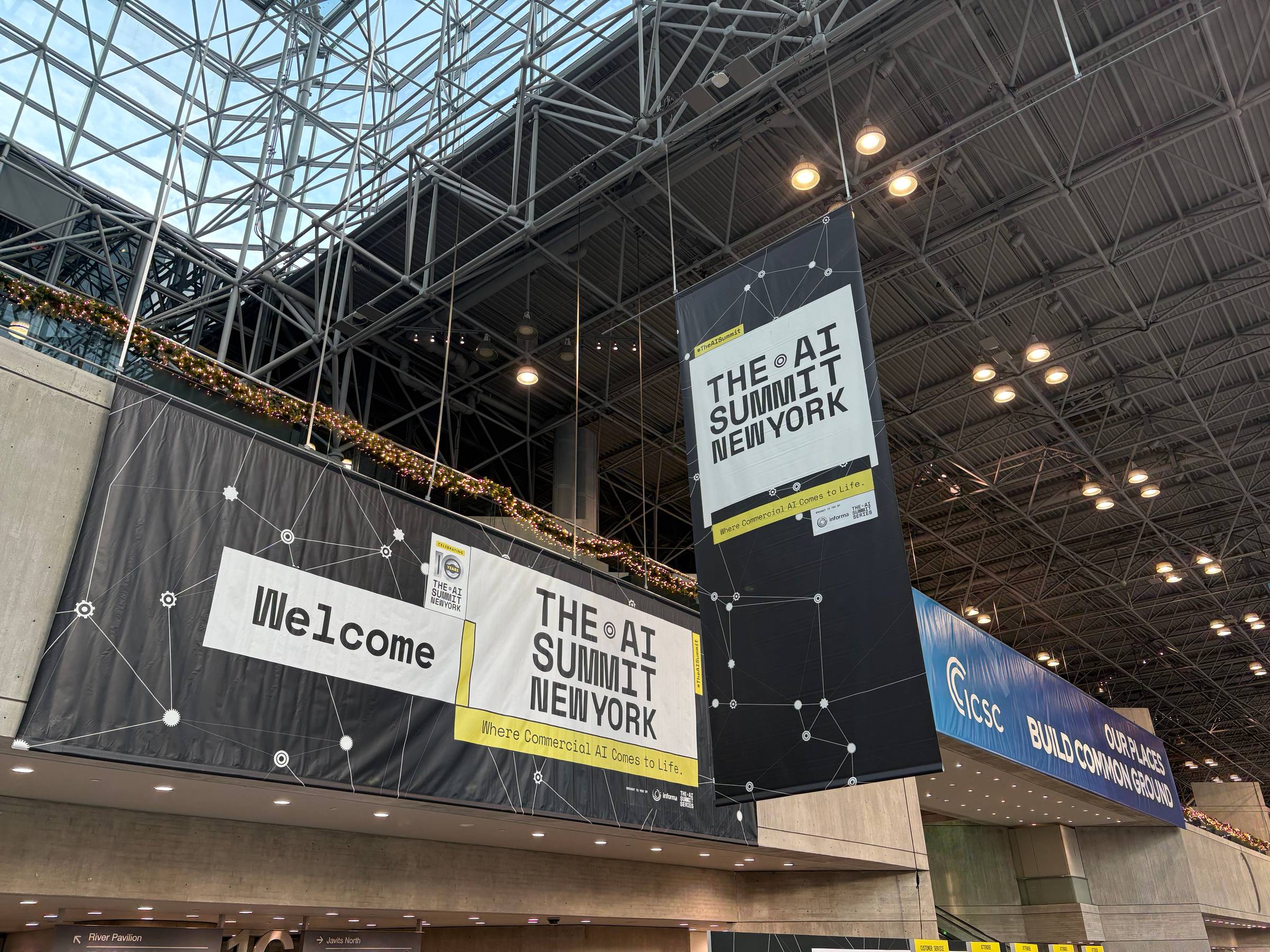
I hope never to see something like this in action personally, but the team spent hours observing how doctors currently work in high-pressure situations before starting on the solution.
They introduced me to the NASA Task Load Index ("NASA-TLX"), a framework developed in 1980, that measures six dimensions of human cognitive load:
- Mental Demand
- Physical Demand
- Temporal Demand
- Performance
- Effort
- Frustration Level

I've spent years studying workplace behaviors but this was new to me.
In this “AI is everything!” moment, I enjoyed seeing a team of engineering students employing human-centered design principles. They reminded me that technical expertise doesn't excuse you from understanding the humans you're building for. Too many teams see AI as a hammer looking for nails rather than starting with the actual problems people face.
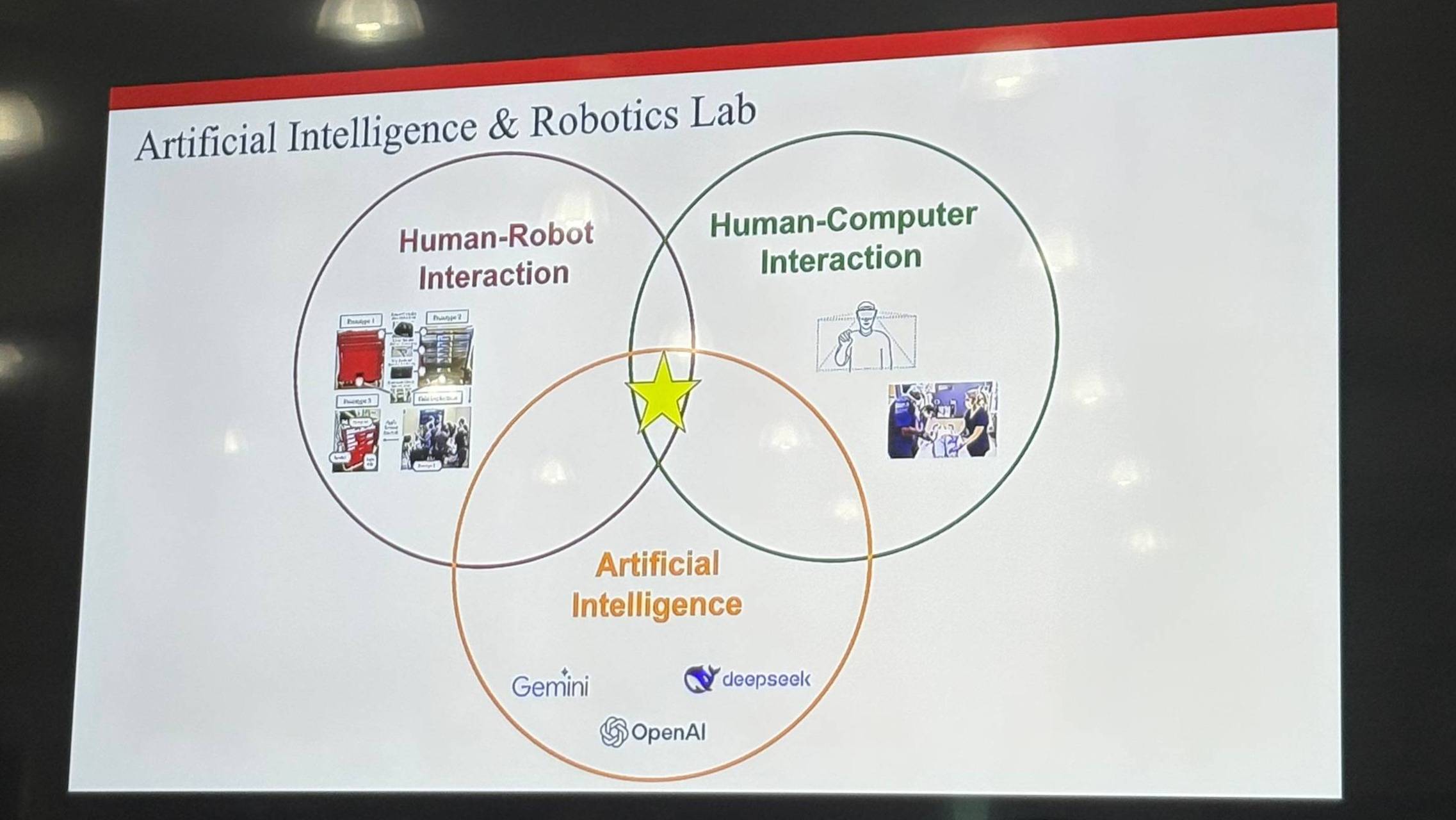
Corporate leaders often speak about "reducing toil" and "making work better." But without established frameworks like NASA-TLX, we're only guessing what parts of work are suboptimal.

The Pattern I Kept Seeing
Once you learn a new framework, you start seeing patterns everywhere. Traci Gusher (Data & AI Leader, EY) made an observation that became my lens for the rest of the conference:
The market over-indexes on efficiency and productivity, but not enough on growth or experience, which is more exciting and motivating.
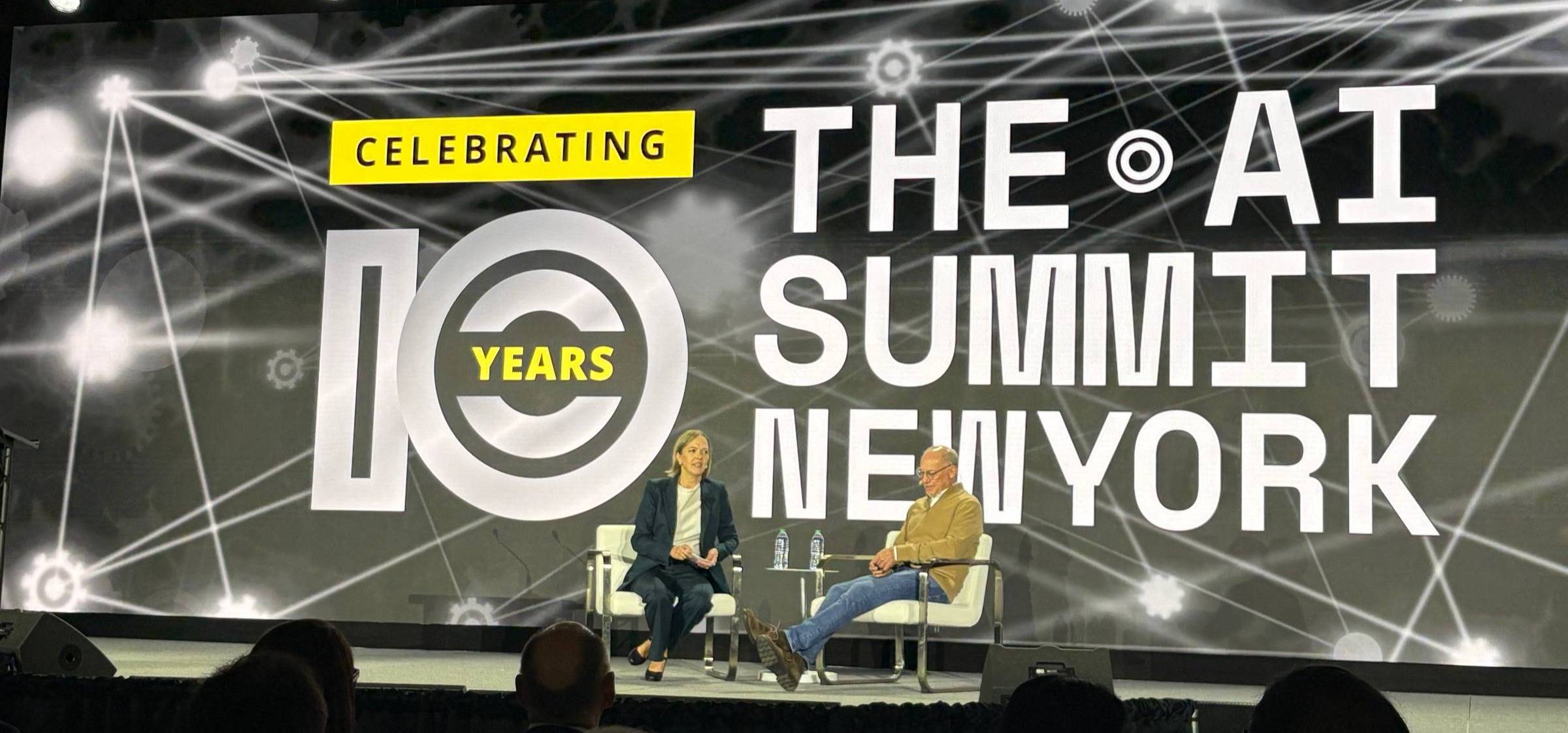
Aaron Rajan (CDIO, Unilever) shared impressive results: AI cut marketing production costs in half and doubled time-to-market speed. "Natural language is unlocking data we always had."
But he also worried about onboarding: "It's harder for new employees to learn the industry now." Efficiency gains in one area, cognitive load increases in another. TLX to the rescue.
Chris Crayner (CTO, NBCUniversal) warned about "use case whack-a-mole" and said the main obstacle isn't technical debt but "cultural debt"—the effort required to overcome resistance to change. Universal measures CX and EX daily, but likely not mental load or frustration of new systems.
This trend showed up everywhere: focus on speed and cost, with less visibility on what happens to the humans doing the work.
The Questions We Can't Answer
Kelley Brine (President, Rose Valley Property) asked thoughtful questions connecting AI and the emotional connection to our homes: Do you want a chatbot hounding residents for late payments when they've just had a death in the family? Would proactively offering expecting parents a larger apartment be creepy?
These are the right questions. But my McKinsey experience showed me that few residential real estate companies leverage heavy user-centered research. The industry lacks the research infrastructure to answer them systematically.
Nitzan Mekel (eBay CDIO) offered an intriguing bridge: they are creating prototypes 10x faster and have AI personas providing first-pass feedback before narrowing the field to use human focus groups and research.
This points to something critical: AI can supercharge human-centered research rather than replace it. Similar to how we used Natter for my listening lab, AI gives us the ability to gather feedback at scale and model how humans might respond to different approaches.
But AI still needs to be trained on real human behavior and validated against real user research. Use AI to study humans more deeply, not to eliminate the need to study humans at all.
What Actually Reduces Burden
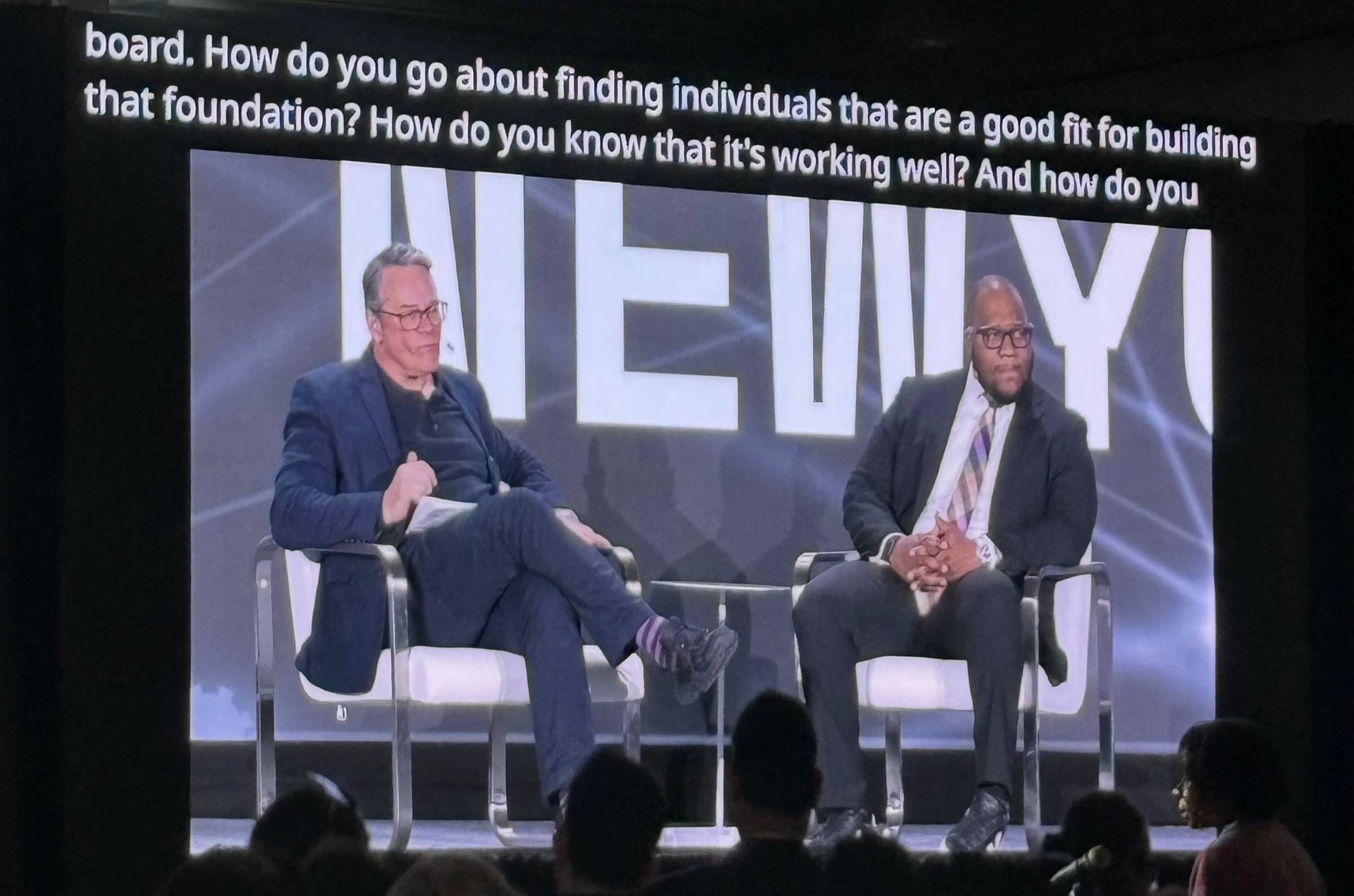
Matthew Fraser (NYC CTO) provided the counterexample that worked.
He talked about personalizing citizen services: if you apply for one benefit and disclose certain information to qualify, the city can proactively introduce you to other benefits and services you might also qualify for. This coordinates information across systems to serve the whole person rather than just optimizing individual processes.
This approach reduces burden rather than optimizes efficiency; it serves the user's needs rather than the system's convenience.
That's what I appreciated about the crash cart researchers too. They weren't just making supply retrieval faster. They were systematically measuring whether the solution reduced mental demand, temporal pressure, and frustration for doctors in life-and-death moments.
Most of the conference focused on what AI can do. The best examples focused on what humans need.
The People Who Could Help
I have many workplace research friends out of work or uninspired by their company right now. The irony: we deploy AI to "improve employee experience" while sidelining the people who know how to study it.
JLL CTO Yao Morin said “real estate is part of everyone’s life,” but I saw almost zero built environment or workplace tech vendors in the expo hall.
Aaron said modern leaders must "be confident in their abilities to make themselves vulnerable" and "start as beginners again." The crash cart researchers were role models here; engineering students admitted what they didn't know about emergency medicine and did the rigorous work to find out.
AI transformation differs from AI deployment in its willingness to study before you build.
What You Can Do on Monday
Before your next AI deployment, borrow from the crash cart team and ask three questions:
- What are we actually measuring? Beyond efficiency, what happens to mental demand? Frustration? Performance satisfaction? Borrow measurement frameworks from other fields—emergency medicine, aviation, anywhere humans work under pressure.
- Who studied the current state? Not surveys about what people say they do, but actual observation of how work happens. Time people. Watch them. Ask about effort and temporal demand before you assume you know what they need.
- Who's in the room? If you don't have workplace researchers, design researchers, or people who study human behavior in the conversation, you're missing critical perspectives. And if you're using AI to simulate human feedback (like eBay's approach), make sure it's grounded in real user research, not assumptions.
The crash cart team taught me something the C-suite panels didn't: AI transformation requires understanding first, deployment second.
The engineers combined their technical skills with human-centered design. In an emergency room, you can't afford to guess.
And neither should your organization.

Which conference could expand your workplace perspective next year? I'm happy to help you navigate unfamiliar professional territory.
Lead Across the Lines of Modern Work with Phil Kirschner
Over 22,000 professionals follow my insights on LinkedIn.
Join them and get my best advice straight to your inbox.